Reactivating the Traditional Summer Kitchen: From Ruin to Culinary Centerpiece

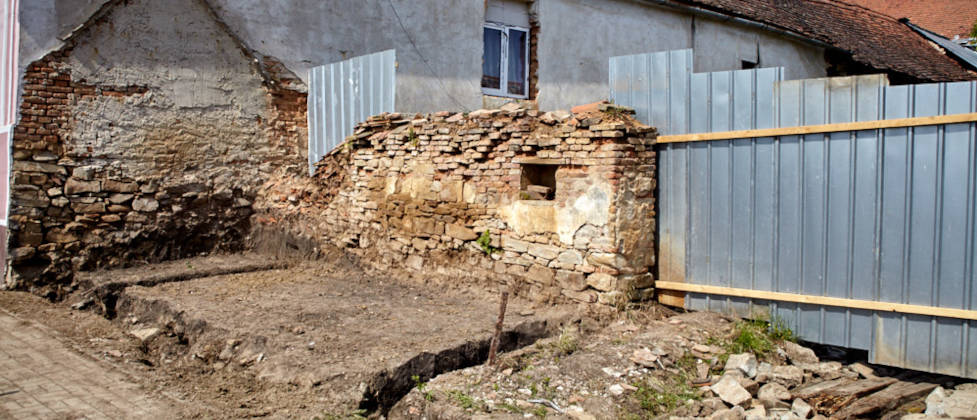
Freigelegte Grundmauer und Ruine meiner alten Sommerküche aus Stein und Ziegeln neben meinem Bauernhaus in Siebenbürgen, bereit für die Renovierung.

The thought of standing in a cool, shady outdoor kitchen on a hot July day, while the scent of fresh herbs and roasted food wafts through the garden, is deeply soothing. In the past, the summer kitchen was standard in the countryside – it kept the heat of the stove away from the main house and was the center for preserving the harvest. Today, this place is experiencing a renaissance.

In this post, I will show you how to renovate an old summer kitchen, what practical benefits it offers you today, and what you should consider during the planning phase.

A Look at Transylvania: From Wooden House to Stone Courtyard

To truly understand the origin and necessity of the summer kitchen, it is worth taking a look at the historical construction methods, for example in Transylvania. In the past, pure wooden houses dominated the villages there. Wood was abundantly available in the adjacent Carpathian Mountains and was the logical building material of choice.

However, due to intensive mining, agricultural clearing, and the generally high demand for wood, the forests shrank visibly. In the 18th century, the rulers of the Habsburg Empire – especially Maria Theresa – intervened rigorously. In order to conserve the valuable wood resources and above all to contain the devastating village fires that regularly destroyed wooden houses, the construction of stone houses was heavily promoted and partly made compulsory.

In the course of this, the architecture of the farmsteads changed massively. To minimize the risk of fire and the enormous heat development in the new, massive main house, fire-intensive activities were relocated. Baking, laundry care, and, of course, cooking in the hot months now took place in a separate building. The summer kitchen became a fixed, indispensable component, not only of the Transylvanian Saxon farmstead.

Why Reactivation is Worth It for You

Before you reach for the hammer, it is good to visualize the added value today. A summer kitchen is much more than just a covered barbecue area.

  • Thermal relief: Your residential house stays significantly cooler in the summer, as the oven and stove are operated outside.
  • Odor control: Strong odors from roasting, deep-frying, or preserving dissipate immediately in the fresh air and do not settle in your living spaces.
  • Social center: Cooking transforms from an isolated process in the house kitchen into a communal experience outdoors.
  • Harvest processing: If you grow your own fruit or vegetables, you can wash, clean, and preserve them directly in the garden without carrying the dirt into the house.
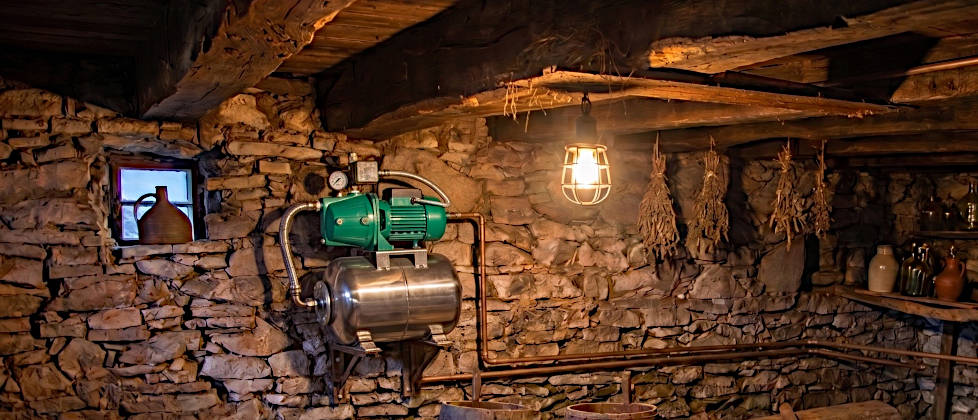
My tip: Check the existing connections in your outbuilding beforehand. Often, under old floors or in the walls, there are still water pipes or power connections that can be reactivated by a professional with manageable effort. This saves you high development costs for your project.

Step by Step: Renovating Old Substance

Many old summer kitchens are located in former washhouses or sheds. The building fabric is usually solid but requires attention after years of vacancy.

1. Inventory and Drainage

Often, rising damp is the biggest problem. Check the roof and the floor slab. If you are renewing the floor, ensure a slight slope towards the door – this way, you can easily hose down and clean the room later.

2. The Choice of Surfaces

In a summer kitchen, which is usually not heated in winter, there is fluctuating humidity.

  • Walls: Pure lime plaster or silicate paints are ideal, as they are breathable, regulate moisture, and naturally prevent mold growth.
  • Worktops: Natural stone, polished concrete, or hard-wearing tiles are robust, weatherproof, and easy to clean.

3. Stove and Oven: The Heart

An old, wood-fired kitchen stove exudes pure nostalgia, but is often impractical for a quick coffee. A clever combination of a modern induction hob (for everyday use) and a restored wood-fired oven or barbecue fireplace offers you maximum flexibility.

Equipment and Functionality

To make working in your new old summer kitchen a joy, the ergonomics must be right. Think about short distances between the sink, workspace, and cooking area.

  • Lighting plan: Since you will often sit outside and cook late into mild summer evenings, good, glare-free lighting of the workspaces is essential. Indirect, warm white light also creates the necessary atmosphere when the food is on the table.
  • Storage space: Use open shelving systems made of metal or oiled wood. Closed cupboards in unheated, damp rooms tend to develop musty odors over the winter months.

Further Information and Sources

If you want to delve deeper into the matter, these contact points will help you with your planning:

  • The Renovation Bible: An absolute must for your project is the book „Das sächsische Bauernhaus in Siebenbürgen. Was wie machen an alten Häusern“ by Jan Hülsemann. It is rightfully considered the bible for renovators of Transylvanian farmsteads and provides you with invaluable, practical tips on preserving the historical substance.
  • Building culture and history: You can find more about the historical development of farms and construction methods in Transylvania at the Fortified Churches Foundation (Stiftung Kirchenburgen), which deals intensively with the architectural heritage of the region.
  • Traditional crafts and building materials: A local network is crucial for an authentic renovation in Transylvania. The Mihai Eminescu Trust is strongly committed to preserving the village building culture and often provides contacts to traditional craftsmen (such as clay builders) or sources for historical materials (e.g., hand-molded bricks). Another way is to ask directly in neighboring villages for unused demolition material.
  • Local building law (Romania): The first step for a building permit (Autorizație de construire) leads to the local town hall (Primărie). If your farm is located in a protected zone, the County Directorate for Culture (Direcția Județeană pentru Cultură) must be involved. To reactivate old chimneys, you should also consult a local chimney sweep (Coșar) to meet the current fire protection regulations of the fire brigade (ISU).
Travel Tip Transylvania: The Hidden Valley of Urwegen (Apold)

Außenansicht der mittelalterlichen Gräfenburg in Urwegen (Gârbova), Siebenbürgen, eingebettet in ein grünes Hügeltal während der Goldenen Stunde. Der massive Bergfried steht im Zentrum der Ringmauer.

Hermannstadt, or Sibiu as it is called in Romanian, is undoubtedly a cultural center and a magnet for visitors from all over Europe. The gently renovated alleys, the large squares, and the lively hustle and bustle invite You to linger. But those who seek the true, original Transylvania must leave the beaten tourist paths. Only a relatively short drive away from the pulsating city, a place hides in a gentle hilly landscape where time seems to have stood still: the valley of Urwegen, often also mentioned in the context of Apold.

This travel report takes You to a place of silence. A place that tells of a volatile past and, for me as a photographer, represents an inexhaustible source of inspiration.

History: A Fortress Through the Ages

The history of Urwegen is deeply rooted in the settlement of Transylvania by German-speaking immigrants, the Transylvanian Saxons. As in so many villages in the region, life here over the centuries was characterized by hard agricultural work and the constant threat of external enemies. To protect themselves from Ottoman and Tatar raids, the villagers began to fortify their church in the Middle Ages.

Urwegen holds an architectural and historical peculiarity: The complex is one of the last preserved Gräfenburgs (Count’s castles) in Transylvania. Originally built as the residence of the local nobles – the so-called Gräfen – it was only taken over and further expanded by the village community over time.

A fortified church was created. High ring walls, defense towers, and loopholes still bear witness to the unconditional will to defend the community. The church was not only the spiritual center but, in case of emergency, the last refuge for the entire village. For generations, the complex was maintained, expanded, and repaired until the massive geopolitical changes of the 20th century altered the face of the village forever.

The Current Situation of the Fortified Church: Silent Witnesses of the Past

With the mass exodus of the Transylvanian Saxons after the political changes of 1989/1990 in Romania, many villages were left almost deserted. In Urwegen, too, this turning point is clearly felt. The fortified church, once the pulsating center of a lively community, now stands mostly silent and imposing in the landscape.

The current situation is a mix of melancholic decay and hopeful preservation. While some parts of the ring wall cannot hide the traces of time and weather, there are always efforts by local initiatives, foundations, and former residents to secure the structure. The roof of the church was secured in the past to prevent water penetration. A walk through the courtyard of the fortress is like a journey into the past. You can literally feel the history in the old, hand-hewn stones and the massive oak wood of the battlements.

The Best Photo Spots In and Around Urwegen

As a photographer, I am always looking for motifs that speak their own language and convey emotions. Urwegen offers a fantastic backdrop for this. Here are my preferred photo spots:

  • The portal of the fortified church: The massive wooden doors, often decorated with iron fittings, offer a wonderful frame for detailed shots. The texture of the weathered wood in contrast to the stone archways is a classic but always rewarding motif.
  • The view from the hill: If You leave the village slightly towards the adjacent hills, a wonderful perspective opens up. Especially in the late afternoon light, the so-called golden hour, the sun bathes the valley and the striking roofs of the fortified church in a warm, soft light. The red tiles then stand out picturesquely from the lush green of the surroundings.
  • The interior of the church: Provided You gain access (see tips below), the interior offers a very special atmosphere. The sparse light falling through the narrow windows draws hard shadows on the old wooden benches and the altar. A tripod is essential here to capture the quiet, almost mystical mood without distracting image noise.
  • The alleys of the village: Even away from the fortress, an attentive look is worthwhile. The traditional Saxon farmhouses with their typical closed courtyards and colorful facades offer great architectural lines and an authentic picture of rural Romania.

Planning the Visit: Arrival and Key

Arrival from Hermannstadt (Sibiu): The drive with Your own vehicle or a rental car takes just over an hour, depending on the exact route and road conditions. Leave Sibiu in a westerly direction. The last few kilometers lead over easily navigable country roads that wind picturesquely through the hilly landscape. Use a navigation system so You don’t miss the exact turn-off into the valley.

The key to the fortified church: As with almost all remote fortified churches in Transylvania, the gate is not simply open. To visit the interior of the complex, You have to find the key keeper. Usually, there is a small note with a phone number (often in Romanian or German) hanging on the main gate. Alternatively, it is worth asking respectfully at the direct neighbors of the fortress, often in house number 1 or the parsonage opposite. The local people are usually very helpful. A small donation for the maintenance of the church following the visit is always highly appreciated and helps directly with the preservation of this cultural heritage.

Urwegen is not a place for fast tourism. It is a place for explorers, for people who can embrace the silence and seek beauty in the imperfect. Take Your time to explore the valley on foot, speak with the few people You meet, and let the special atmosphere of this hidden jewel work its magic on You.


Spring Awakening in Transylvania: A Road Trip Off the Beaten Path

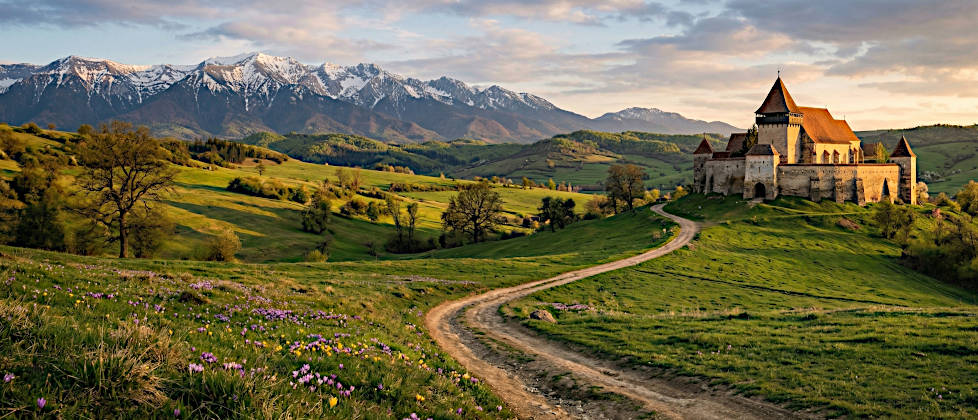
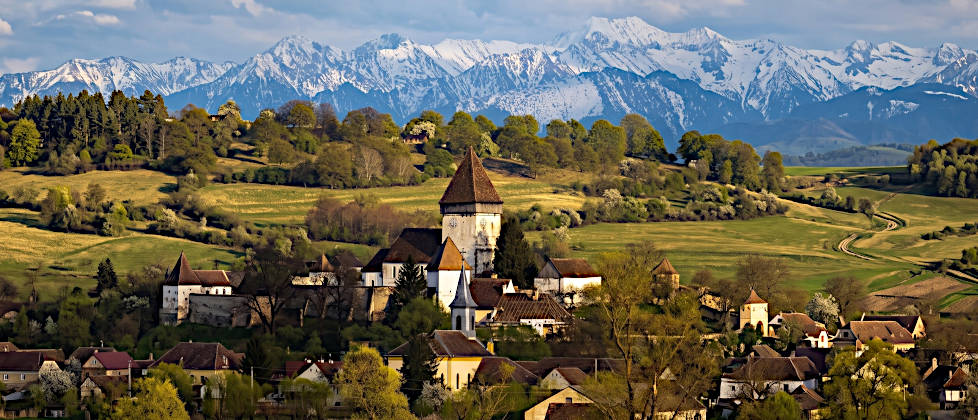
Ein Feldweg im Frühling vor einer historischen wehrhaften Kirchenburg in Siebenbürgen, im Hintergrund die schneebedeckten Karpaten.

When the last snowfields in the Romanian Carpathians melt at the end of March and the first wildflowers bathe the valleys in a delicate green, Transylvania reveals its most authentic side. Forget the overcrowded Bran Castle or the classic Dracula myths. Transylvania in spring is a place of longing for true explorers, individual tourists, and lovers of rugged nature and centuries-old culture.

Why Transylvania in Spring is Ideal for Individualists

The late March and early April sun wakes the sleepy villages from their winter slumber. The air is still crisp, but the roads are free from the summer tourist crowds. Now is your chance to immerse yourself in authentic rural life and experience the warm hospitality of the locals unfiltered.

Transylvania Insider Tips: Hidden Gems Off the Trail

1. The Fortified Churches of Mălâncrav and Cincșor

While Viscri is now well-known to many, you will still find absolute tranquility in villages like Mălâncrav (Malmkrog) or Cincșor (Kleinschenk). These fortified churches, built by the Transylvanian Saxons, sit majestically in the rolling hills. In spring, you can stroll for hours through the old apple orchards here without meeting a single soul.

2. The Apuseni Mountains (Western Carpathians)

For nature lovers, the Apuseni Nature Park is an absolute must. The karst mountain range is riddled with caves, gorges, and dense forests. A hike to the Cetățile Ponorului (Fortresses of Ponor) is particularly impressive right now, as the meltwater rivers give enormous power to the waterfalls and underground cave systems.

3. The Astra Open-Air Museum in Sibiu – Almost All to Yourself

Admittedly, Sibiu is no longer a secret. But the Astra Museum, located just outside the city and one of the largest open-air museums in Europe, truly unleashes its magic on a clear spring day. Strolling between the historic mills and crooked wooden houses on the lakeshore is wonderfully peaceful.

Culinary Discovery Tour: Hearty, Honest, Local

Romanian cuisine is just like the landscape: wild, hearty, and heartwarming. After a long spring hike, there is nothing better than stopping for a bite and tasting the real Transylvania:

  • Ciorbă de fasole cu afumătură: A rich bean soup with smoked meat, traditionally served in a hollowed-out loaf of bread. It is eaten with fresh red onions.
  • Sarmale: Cabbage rolls stuffed with minced meat and rice, often braised for hours in a clay pot. Accompanied by mămăligă (polenta) and a generous dollop of smântână (sour cream).
  • Papanași: The king of desserts! A fried dough pastry made with sweet cheese, covered in sour cream and homemade blueberry or sour cherry jam.

Practical Tips for Your Transylvania Road Trip

To explore these Transylvania insider tips on your own, a rental car is essential. The main roads are very well maintained, but to get to the truly untouched places, you will also have to drive on gravel roads. Use small guesthouses (pensiunea) instead of large hotels; here, your money flows directly into the local community, and you will get the best insider tips.


Are You Ready for Your Transylvania Adventure?

Pack your hiking boots, download offline maps, and embark on your Transylvanian adventure. Drum bun (Have a good trip)!

Now it’s your turn: Have you ever traveled to Romania or are you currently planning your first trip there? What is your personal insider tip for individual tourists? Be sure to let me know in the comments below – I look forward to hearing from you!