Spring Awakening in Transylvania: A Road Trip Off the Beaten Path

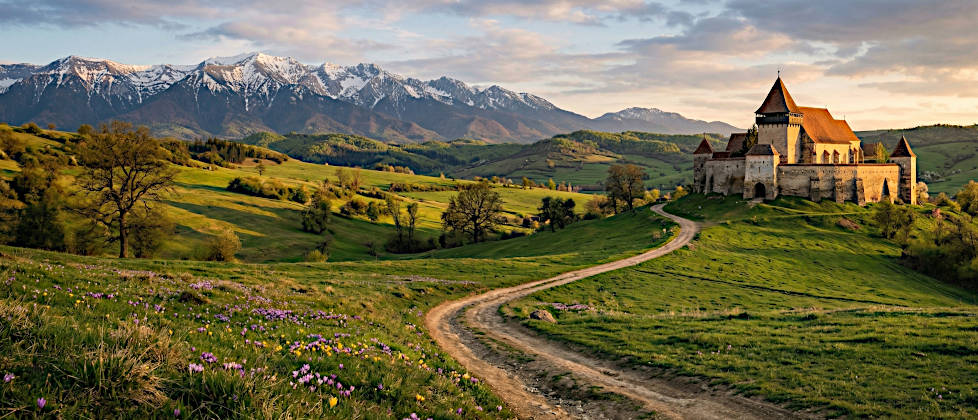
Ein Feldweg im Frühling vor einer historischen wehrhaften Kirchenburg in Siebenbürgen, im Hintergrund die schneebedeckten Karpaten.

When the last snowfields in the Romanian Carpathians melt at the end of March and the first wildflowers bathe the valleys in a delicate green, Transylvania reveals its most authentic side. Forget the overcrowded Bran Castle or the classic Dracula myths. Transylvania in spring is a place of longing for true explorers, individual tourists, and lovers of rugged nature and centuries-old culture.

Why Transylvania in Spring is Ideal for Individualists

The late March and early April sun wakes the sleepy villages from their winter slumber. The air is still crisp, but the roads are free from the summer tourist crowds. Now is your chance to immerse yourself in authentic rural life and experience the warm hospitality of the locals unfiltered.

Transylvania Insider Tips: Hidden Gems Off the Trail

1. The Fortified Churches of Mălâncrav and Cincșor

While Viscri is now well-known to many, you will still find absolute tranquility in villages like Mălâncrav (Malmkrog) or Cincșor (Kleinschenk). These fortified churches, built by the Transylvanian Saxons, sit majestically in the rolling hills. In spring, you can stroll for hours through the old apple orchards here without meeting a single soul.

2. The Apuseni Mountains (Western Carpathians)

For nature lovers, the Apuseni Nature Park is an absolute must. The karst mountain range is riddled with caves, gorges, and dense forests. A hike to the Cetățile Ponorului (Fortresses of Ponor) is particularly impressive right now, as the meltwater rivers give enormous power to the waterfalls and underground cave systems.

3. The Astra Open-Air Museum in Sibiu – Almost All to Yourself

Admittedly, Sibiu is no longer a secret. But the Astra Museum, located just outside the city and one of the largest open-air museums in Europe, truly unleashes its magic on a clear spring day. Strolling between the historic mills and crooked wooden houses on the lakeshore is wonderfully peaceful.

Culinary Discovery Tour: Hearty, Honest, Local

Romanian cuisine is just like the landscape: wild, hearty, and heartwarming. After a long spring hike, there is nothing better than stopping for a bite and tasting the real Transylvania:

  • Ciorbă de fasole cu afumătură: A rich bean soup with smoked meat, traditionally served in a hollowed-out loaf of bread. It is eaten with fresh red onions.
  • Sarmale: Cabbage rolls stuffed with minced meat and rice, often braised for hours in a clay pot. Accompanied by mămăligă (polenta) and a generous dollop of smântână (sour cream).
  • Papanași: The king of desserts! A fried dough pastry made with sweet cheese, covered in sour cream and homemade blueberry or sour cherry jam.

Practical Tips for Your Transylvania Road Trip

To explore these Transylvania insider tips on your own, a rental car is essential. The main roads are very well maintained, but to get to the truly untouched places, you will also have to drive on gravel roads. Use small guesthouses (pensiunea) instead of large hotels; here, your money flows directly into the local community, and you will get the best insider tips.


Are You Ready for Your Transylvania Adventure?

Pack your hiking boots, download offline maps, and embark on your Transylvanian adventure. Drum bun (Have a good trip)!

Now it’s your turn: Have you ever traveled to Romania or are you currently planning your first trip there? What is your personal insider tip for individual tourists? Be sure to let me know in the comments below – I look forward to hearing from you!
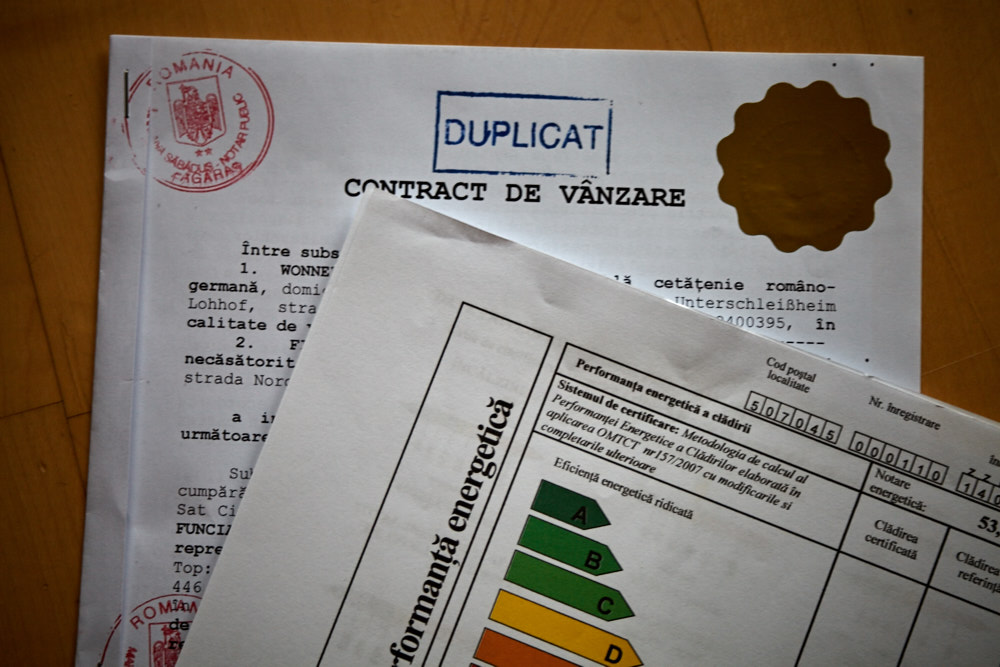
Januar 2017

In January, I use my remaining vacation days to drop by Cincu (Großschenk) again. This time I chose the date deliberately. Not (only) because of the construction progress, but because of a historic event: For the first time in over 25 years, an Urzelnlauf (Run of the Loles) is taking place this weekend. Continue reading “Januar 2017”

Forgotten Transylvania: Why a visit to Gürteln (Gherdeal) is worth it

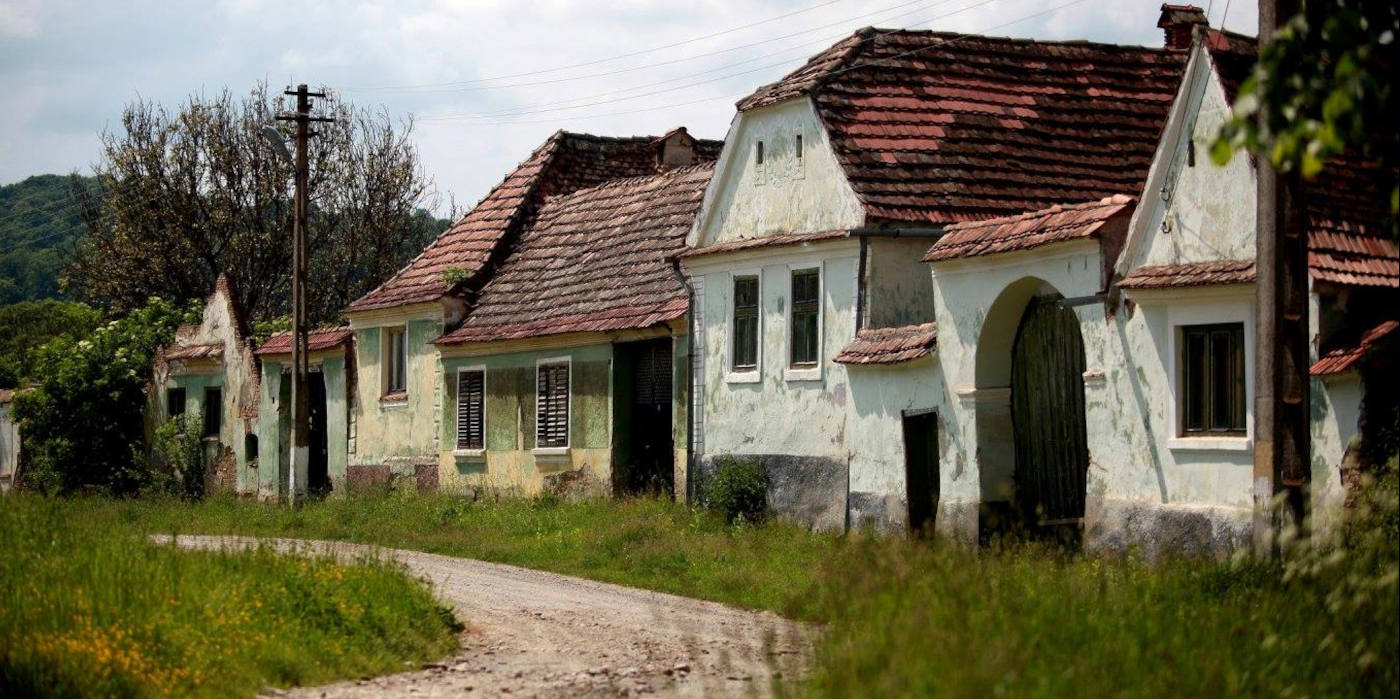
Verfallene sächsische Häuserzeile im fast verlassenen Dorf Gherdeal (Gürteln) in Siebenbürgen mit bröckelnden Fassaden.

Imagine someone pressed the pause button thirty years ago and then left the room. That is exactly what arriving in Gherdeal (German: Gürteln) feels like. When you turn off the main road and approach the village via the dusty, unpaved track, you instantly leave the hustle and bustle of the 21st century behind you.

I first visited Gherdeal in September 2016. The month before, I had bought a house in neighbouring Cincu (Großschenk) and was busy getting to know the surroundings on the one hand, and looking for historical building materials to renovate my house on the other. Continue reading “Forgotten Transylvania: Why a visit to Gürteln (Gherdeal) is worth it”

Planting Winter Garlic in October: Guide & Experiences from My Garden

In October, when the morning fog hangs in the valley, the most important time in the gardening year begins for me. While others are putting their beds to rest for the winter, I am putting hope for next year into the ground: Winter garlic.

Many ask me: “Why do you plant garlic just before the frost?”
As a hobby gardener in Romania, I have learned that the timing determines the size of the bulb. Here is my guide, based on the clay soils of Transylvania, but applicable to any organic garden.

The Biological Logic: Why October?

October is not chosen by chance. I am using a biological mechanism here called vernalization. For garlic (Allium sativum) to form large bulbs next year, it needs a cold stimulus.

If planted from mid to late October, the following happens:

  1. Root Formation: The soil still holds residual warmth. The clove forms strong roots but no green shoots yet (which would freeze in winter).
  2. Winter Dormancy: The plant rests beneath the frost.
  3. Spring Boost: As soon as the soil thaws, this garlic has a huge head start over cloves planted in spring. It makes optimal use of winter moisture.

🌿 At a Glance: Key Data for Cultivation

  • Planting Period: October 15th to early November (before permanent ground frost).
  • Planting Depth: 5 to 7 cm (deeper than in spring!).
  • Planting Distance: 10-15 cm in the row, 25 cm between rows.
  • Location: Full sun, no waterlogging.

Guide: How I Proceed Step by Step

Planting garlic is precise craftsmanship. If you are sloppy here, you will only harvest tiny cloves. This is how I do it in my garden:

1. Preparing the Planting Material
I never use garlic from the supermarket (often chemically treated against sprouting or from the wrong climate zone). I use seed garlic from the region.
Important: I only break open the bulbs immediately before planting. I choose only the large outer cloves. The small inner cloves go into the kitchen – if you plant small, you harvest small. The protective skin of the clove must not be damaged.

2. Preparing the Soil
Garlic is a moderate feeder but dislikes fresh manure. I loosen the soil deeply with a digging fork to prevent waterlogging. Waterlogging in winter is the death of any garlic clove (risk of rot).

3. The Right Technique for Planting
I draw seed furrows or make individual holes. The clove goes into the earth with the root end facing down.

  • The Mistake: Many press the clove too hard into the ground. This compacts the soil directly under the root and inhibits growth. I place it in gently and cover loosely with soil.

4. Frost Protection through Mulching
Since we can have harsh winters here in Cincu, I cover the bed after planting with a thin layer of leaves or straw. This protects against bare frosts and keeps the soil alive.

Patience is the Main Ingredient

Once the cloves are in the ground, the work is done. Winter garlic is the most rewarding crop for us gardeners. It grows while we sit inside by the warm stove. Harvesting usually takes place in July, when two-thirds of the leaves have turned yellow.

Whoever picks up the spade now in October will be rewarded in summer with a taste that money can’t buy.

Romania – Your Dream Destination for Breathtaking Nature and Landscape Photography

Imagine this: endless forests, mystical mist-covered valleys, wild Carpathian peaks, and remote villages that look like they’re frozen in time. If You’re into nature and landscape photography, Romania is a true paradise! You’ll find untouched nature, incredible biodiversity, and lighting conditions that will make Your camera sing. Continue reading “Romania – Your Dream Destination for Breathtaking Nature and Landscape Photography”

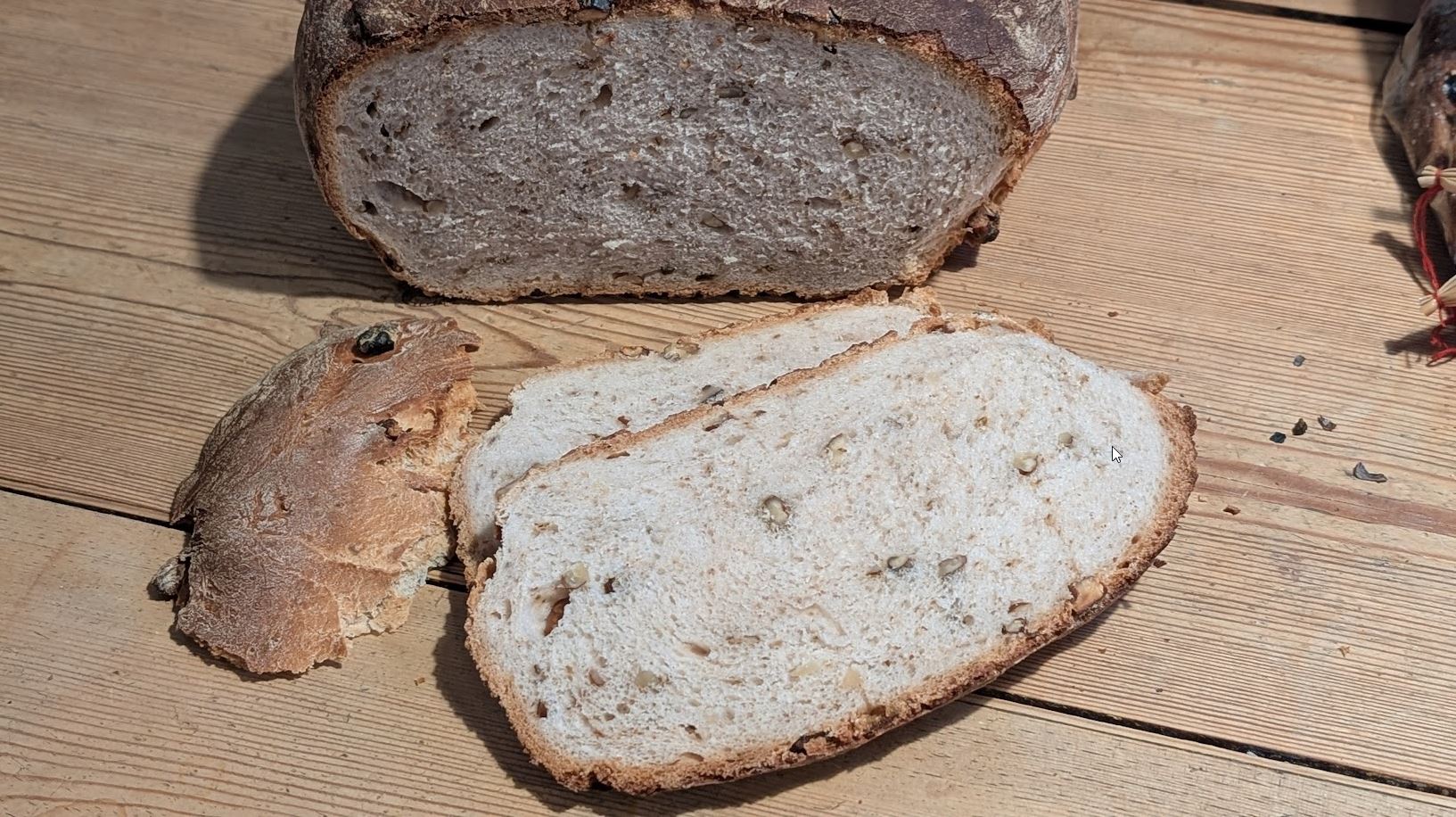
Großschenker walnut bread

Walnussbrot

Ingredients:

  • 500 g rye flour or wheat flour (depending on preference)
  • 100 g chopped walnuts
  • 1 packet of dry yeast or 25 g of fresh yeast
  • 1 teaspoon salt
  • 1 tablespoon honey or sugar
  • 300 ml of lukewarm water
  • 2 tablespoons olive oil (optional)

Preparation:

  1. Yeast preparation :
    If using fresh yeast, dissolve it in some of the lukewarm water with honey or sugar and let it rest for about 10 minutes until it foams.
  2. Make the dough :
    Place the flour in a large bowl. Add salt, olive oil (if using) and the dissolved yeast. Gradually add the remaining water until you have a smooth dough.
  3. Incorporate walnuts :
    Knead the chopped walnuts evenly into the dough. The dough should be elastic but not too sticky. If necessary, add a little flour or water.
  4. Let the dough rise :
    Cover the dough and let it rise in a warm place for about 1-2 hours, until it has doubled in volume.
  5. Forming and letting it rest :
    Knead the dough again briefly, shape it into a loaf and place it on a baking tray lined with baking paper. Alternatively, you can use a bread tin. Let it rest for another 30 minutes.
  6. Baking :
    Preheat the oven to 220°C (top/bottom heat). Place a bowl of water on the bottom of the oven to create steam – this will make the crust crispy. Bake the bread for about 35-40 minutes until it is golden brown and sounds hollow when tapped on the bottom.
  7. Allow to cool :
    Allow the bread to cool completely before slicing.

Tip:

This bread goes perfectly with savory toppings like cheese or sweet spreads like honey – and of course on its own with butter!

Insider tip Cincu

Cincu, Romania: A Hidden Gem for Living and Holiday

When one thinks of Romania, the majestic Carpathian Mountains or bustling Bucharest often spring to mind. But off the beaten track lies a small but fascinating village called Cincu (the German name is Großschenk), which has much to offer both permanent residents and travelers.

A place with history

Cincu is located in the Transylvania region and is rich in history and culture. The village was founded in the Middle Ages by the Transylvanian Saxons, and traces of this past are still visible today. The impressive fortified church of Cincu is a must for every visitor. It testifies to the defensive capabilities and architectural skills of the time.

Life in Cincu

For those seeking a quieter life away from the hustle and bustle of the big cities, Cincu offers an idyllic setting. The rolling hills and open fields invite walking and exploring, while the close-knit community provides a sense of cohesion and security. The cost of living is comparatively low, and the opportunity to live in an authentic, historic village is increasingly attracting expats and returnees.

A paradise for nature lovers

Cincu is surrounded by stunning nature. Its proximity to the Carpathian Mountains makes it an ideal starting point for outdoor activities. Hiking, mountain biking, motorbike tours and bird watching are just some of the possibilities the area offers. The nearby Olt River is perfect for relaxing days by the water or for adventurous kayaking trips.

An insight into the local culture

Village life in Cincu offers an authentic insight into Romanian culture. Traditional festivals and markets are opportunities to enjoy local cuisine and discover handmade artwork. The friendliness and hospitality of the locals make every visit unforgettable.

Conclusion

Whether as a place to live or as a holiday destination, Cincu in Romania is a hidden gem to be discovered. The mix of history, nature and culture offers something for everyone. If you are looking for a unique experience away from the crowds, Cincu could be the perfect place for you.